
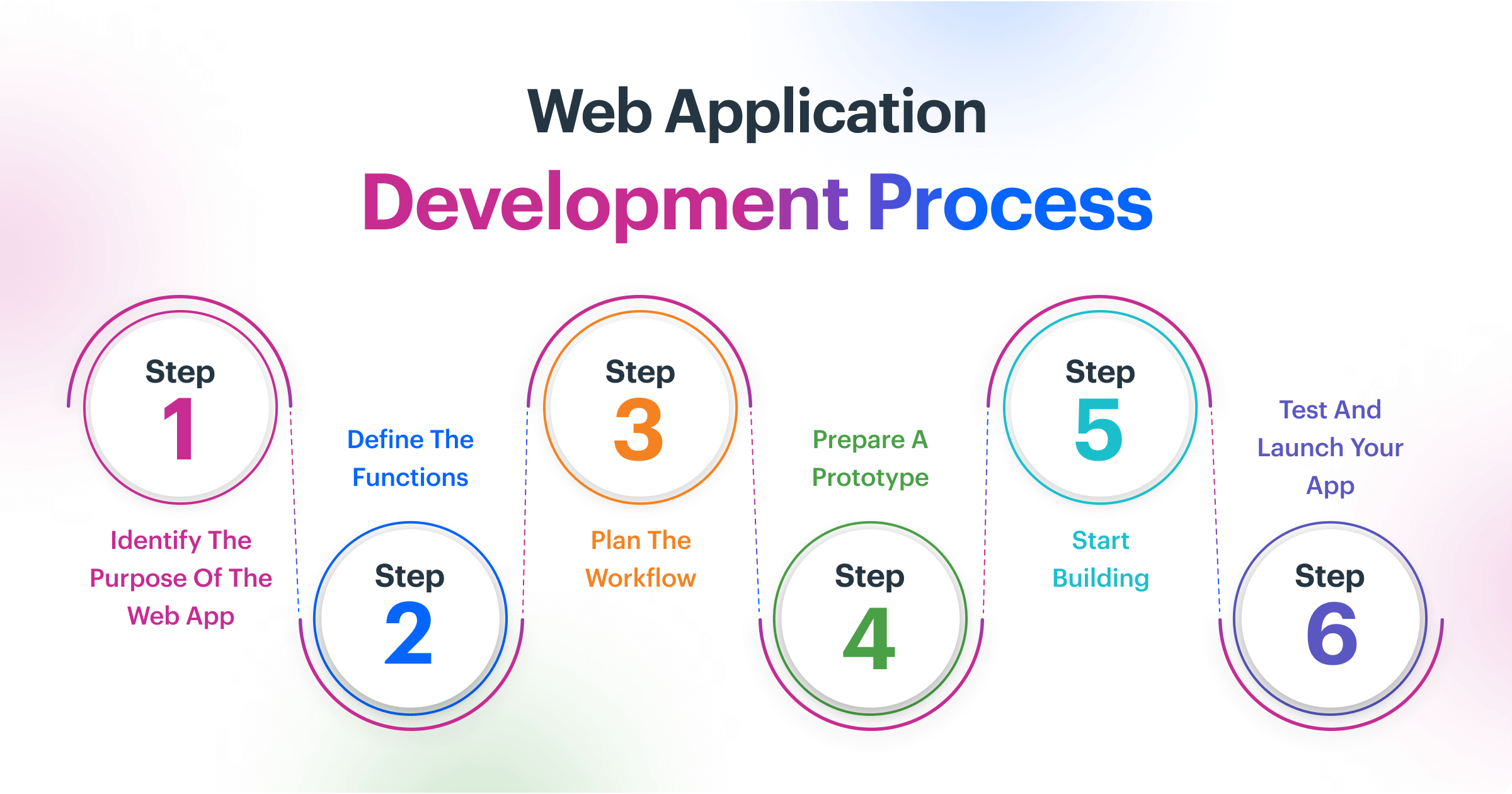
Website and web design has undergone a radical transformation over the past decade, with new technologies, tools, and frameworks making it easier for developers to create complex and scalable digital solutions. As the demand for innovative, user-centered applications grows, the development landscape continues to evolve, presenting both opportunities and challenges. The future of website and application development promises exciting advancements, particularly in areas like artificial intelligence (AI), cloud computing, security, and cross-platform experiences.
In this article, we will explore some of the most significant trends that are shaping the future of web and app development, highlighting the key innovations that developers should watch out for.
1. The Shift to Cross-Platform Development
Cross-platform development has emerged as one of the most significant trends in web and app development. With users engaging with a wide variety of devices, from smartphones and tablets to desktops and wearables, the need for apps that perform seamlessly across platforms is more important than ever.
The Benefits of Cross-Platform Development:
- Cost Efficiency: Developing a single codebase for multiple platforms reduces both the development time and costs. This approach eliminates the need for separate teams for iOS and Android development, streamlining the overall process.
- Consistency in User Experience: Cross-platform frameworks like React Native, Flutter, and Xamarin allow developers to maintain a consistent user experience across devices. Whether users are on a phone, tablet, or desktop, the app's design and functionality remain the same.
- Faster Time to Market: With a single codebase that can be deployed to various platforms, businesses can launch their applications much faster, allowing them to stay competitive in a fast-paced market.
Cross-platform development frameworks are becoming increasingly sophisticated, enabling developers to build powerful apps without sacrificing performance or user experience.
2. Artificial Intelligence (AI) and Machine Learning (ML) Integration
Artificial intelligence and machine learning have already made their mark in the world of website and app development, but their role is set to grow exponentially in the coming years. These technologies are enabling developers to build smarter, more personalized applications that can analyze data, predict user behavior, and automate tasks.
How AI and ML Are Revolutionizing Development:
- Personalization: AI and ML algorithms can analyze user data to provide personalized recommendations and experiences. From product recommendations on e-commerce sites to personalized content feeds on social media, AI-powered personalization is now a core feature in many applications.
- Automation: AI-driven automation is improving efficiency in both development and user interactions. Chatbots, virtual assistants, and automated customer support are transforming the way businesses interact with their customers, enabling 24/7 service and reducing operational costs.
- Enhanced User Experience: AI and ML can be used to enhance user interfaces (UI), enabling predictive text, voice recognition, and intelligent search functionalities. By learning from user behavior, these applications can adapt to individual preferences, making the experience more intuitive.
As AI and ML technologies continue to evolve, they will provide developers with new tools for creating advanced applications that go beyond the capabilities of traditional software.
3. Progressive Web Apps (PWAs)
Progressive Web Apps (PWAs) are quickly becoming a game-changer for developers looking to combine the best features of websites and native mobile applications. PWAs are built to work seamlessly on any device, delivering a native app-like experience through a web browser.
Why PWAs Are Gaining Traction:
- Offline Capabilities: PWAs can function offline or in low-network conditions by storing resources on the user's device. This makes them ideal for users in areas with poor connectivity, improving the overall experience.
- No App Store Hassles: Unlike traditional mobile apps, PWAs don’t need to be downloaded from an app store. This eliminates the barriers to entry and reduces the friction for users to engage with the app.
- Faster Load Times: PWAs are optimized for fast performance, offering quick load times and smooth interactions. This is particularly beneficial for e-commerce sites and other businesses looking to provide a seamless user experience.
- Cost-Effective: PWAs are generally more affordable to build and maintain than native mobile apps since there is no need to develop separate versions for different platforms.
As mobile internet usage continues to grow, PWAs will become increasingly important for businesses that want to provide high-quality, engaging experiences without the overhead of traditional app development.
4. 5G and the Impact on Mobile Development
With the rollout of 5G networks worldwide, mobile developers now have access to significantly faster internet speeds, reduced latency, and more reliable connections. This will have a profound impact on how mobile applications are built and experienced, enabling more data-intensive applications to run smoothly on mobile devices.
The Key Benefits of 5G for App Development:
- Enhanced User Experience: 5G's ultra-low latency and higher data transfer rates will allow developers to create mobile apps that offer more immersive, real-time experiences, including high-quality video streaming, augmented reality (AR), and virtual reality (VR).
- New Possibilities for IoT: The proliferation of Internet of Things (IoT) devices combined with 5G connectivity will open new opportunities for developers to create applications that control smart devices in real time. For example, developers can build apps that interact with connected home appliances, wearables, and autonomous vehicles.
- Better Performance for Cloud Gaming: Cloud-based gaming services will benefit from the increased bandwidth and low latency of 5G, enabling developers to create high-quality gaming experiences that can be played on mobile devices without the need for expensive hardware.
As 5G networks expand and become more widespread, mobile developers will have the opportunity to create richer, faster, and more engaging applications that push the boundaries of what’s possible.
5. Cybersecurity: A Top Priority for Developers
As more businesses and consumers rely on digital platforms, the risk of cyber threats continues to rise. Developers will need to focus on building secure websites and applications to protect user data, prevent cyberattacks, and ensure regulatory compliance.
Security Trends to Watch:
- Zero-Trust Architecture: Zero-trust security models are becoming increasingly popular, as they assume no one, whether inside or outside an organization’s network, should be trusted by default. Developers must implement strict verification processes for each interaction, ensuring that applications and data are protected at all times.
- Biometric Authentication: The use of biometric data, such as fingerprints, facial recognition, and voice recognition, is becoming more common for securing apps. Biometric authentication offers a more secure and user-friendly alternative to passwords and PINs.
- End-to-End Encryption: Protecting sensitive data with end-to-end encryption ensures that information is encrypted while in transit and can only be decrypted by the intended recipient. This is crucial for industries such as healthcare, finance, and e-commerce, where data privacy is a top concern.
Security will remain a critical concern for developers as cyber threats become more sophisticated. Implementing robust security measures from the start of development will be key to maintaining user trust and protecting sensitive data.
6. The Adoption of Low-Code and No-Code Development
Low-code and no-code development platforms are transforming the way websites and applications are built. These platforms allow users to create applications with minimal coding knowledge, enabling non-developers to participate in the creation of digital products.
The Advantages of Low-Code and No-Code Platforms:
- Faster Development: Low-code and no-code platforms significantly reduce development time by offering pre-built templates, drag-and-drop interfaces, and visual workflows. This enables developers to create apps in a fraction of the time it would take with traditional coding methods.
- Accessibility for Non-Developers: These platforms democratize the development process, allowing business owners, marketers, and other non-technical stakeholders to participate in app creation, further streamlining the development process.
- Flexibility: While low-code and no-code platforms are primarily designed for rapid development, they still provide flexibility, allowing developers to write custom code when needed for more complex functionality.
Low-code and no-code tools are likely to become even more powerful as they continue to evolve, enabling organizations to quickly deploy and iterate on digital products with minimal technical expertise.
Conclusion: Embracing the Future of Development
The future of website and application development is rich with possibilities, as emerging technologies continue to reshape the way developers create, deploy, and manage digital products. From the rise of cross-platform frameworks and the integration of AI and machine learning to the adoption of progressive web apps and the rollout of 5G, the landscape is rapidly changing.
For developers, staying ahead of these trends and embracing new tools and techniques will be crucial to creating innovative, user-centered applications that meet the ever-evolving demands of the digital world. By adopting the latest technologies and practices, developers can build solutions that are faster, smarter, more secure, and more engaging—ultimately helping businesses stay competitive in an increasingly digital-first world.