
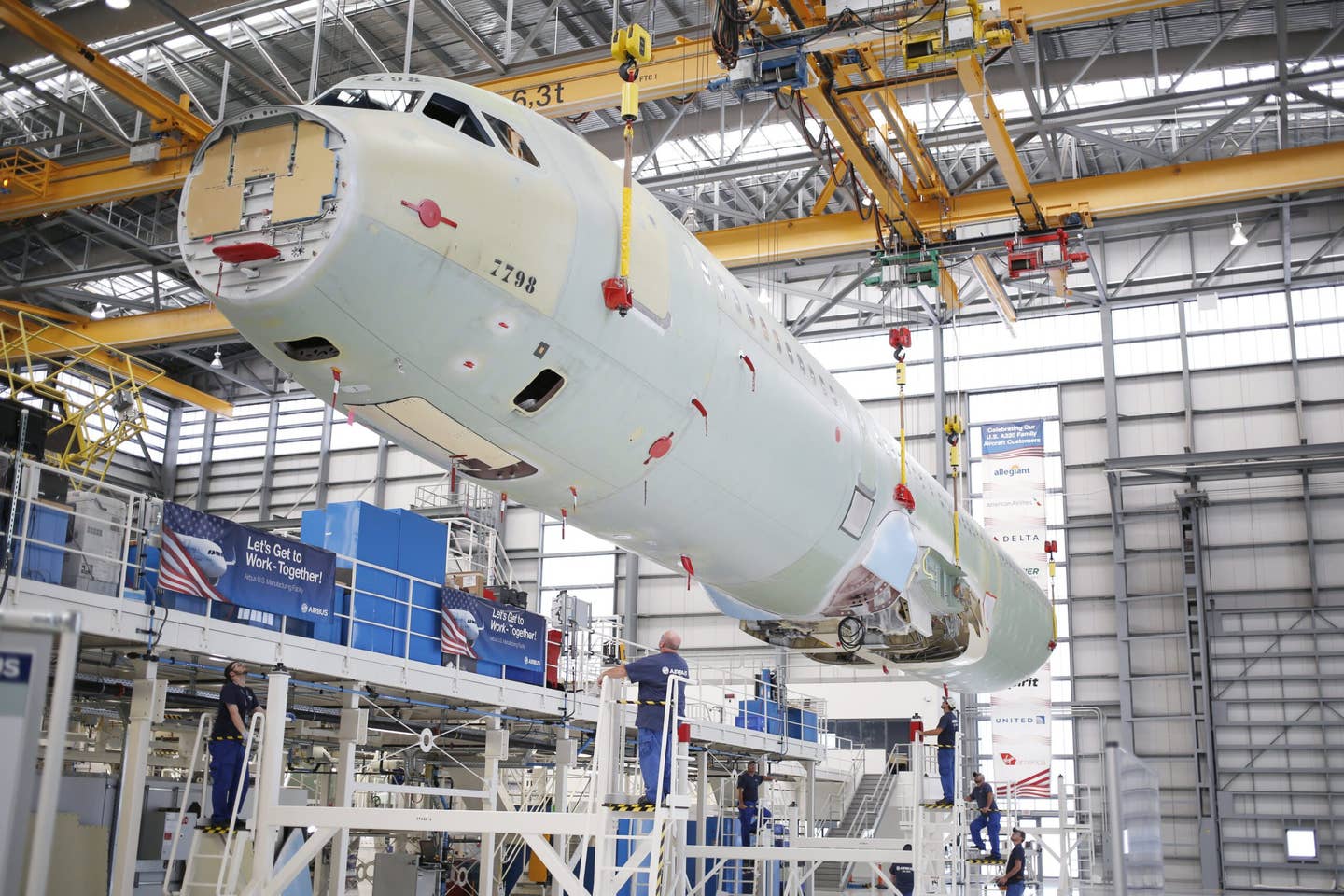
Aviation is a marvel of modern engineering, allowing us to cover vast distances in mere hours, traversing oceans, mountains, and continents with ease. But behind the scenes of every smooth flight, there is an intricate network of specialized aviation parts working together harmoniously to ensure the safety, efficiency, and reliability of aircraft. Each component, no matter how small, plays a critical role in maintaining the structural integrity, propulsion, and operation of the plane.
This article delves into the various types of aircraft electrical system components , their functions, the stringent quality control they undergo, and the innovations that continue to shape the aviation industry.
The Complex Ecosystem of Aviation Parts
A modern aircraft is an incredibly complex machine with thousands of moving parts working in unison. These parts can be broken down into various categories, each of which is vital for the aircraft’s performance.
-
Structural Components
The airframe serves as the skeleton of the aircraft, designed to withstand the forces exerted during flight, takeoff, and landing. Key structural components include:- Fuselage: The aircraft’s main body, which holds the cockpit, passenger cabin, cargo hold, and wings.
- Wings: Providing the lift needed for flight, the wings are crucial for keeping the aircraft airborne and ensuring stability.
- Empennage (Tail Section): The tail assembly, which consists of the horizontal stabilizer (controlling pitch) and the vertical stabilizer (controlling yaw), plays a key role in stabilizing and controlling the aircraft's movements.
- Landing Gear: The wheels and associated systems that support the aircraft during takeoff, landing, and taxiing. The gear must be strong and reliable to handle high impact forces during landing.
-
Powerplant (Engine) Parts
The engine is arguably the most critical component of an aircraft, providing the thrust necessary for takeoff and keeping the plane in the air. The jet engine contains many interconnected components:- Compressor: Compresses incoming air, increasing its pressure before it enters the combustion chamber.
- Combustion Chamber: Where the compressed air is mixed with fuel and ignited to generate energy that powers the turbine.
- Turbine: The turbine extracts energy from the exhaust gases and drives the compressor.
- Exhaust Nozzle: Directs the exhaust gases to produce thrust, propelling the aircraft forward.
-
Flight Control Systems
Pilots rely on the flight control systems to maneuver the aircraft during flight. These systems allow precise control over the aircraft’s movements, including:- Ailerons: Located on the trailing edge of the wings, these control the roll of the aircraft, allowing the plane to tilt side to side.
- Elevators: Situated on the tail, elevators control the pitch of the aircraft (upward or downward movement of the nose).
- Rudder: Positioned on the vertical stabilizer, the rudder controls the yaw of the aircraft, ensuring stable directional control.
- Flaps and Slats: These devices are used during takeoff and landing to increase lift and decrease the speed at which the aircraft needs to take off or land.
-
Avionics and Electrical Systems
Avionics, the brain of modern aircraft, manage the communication, navigation, and flight control systems of the plane. These systems ensure that pilots can maintain control, communicate with air traffic control, and navigate with precision:- Navigation Systems: These include GPS, radar, and inertial navigation systems (INS) that help pilots know their position relative to the ground and other aircraft.
- Communication Systems: Aircraft rely on radios, satellite communications, and data link systems to stay in touch with air traffic control and other planes in the vicinity.
- Flight Management System (FMS): The FMS automates tasks such as flight planning, speed control, and fuel management to help the pilot navigate efficiently.
- Electrical Power Systems: Aircraft rely on electrical systems to power everything from cabin lights to avionics and flight controls. Backup systems ensure that electricity is available even in the event of failure.
-
Hydraulic and Pneumatic Systems
Hydraulic and pneumatic systems play a vital role in operating critical components of the aircraft. These systems use pressurized fluids or gases to provide the force needed to power flight control surfaces, landing gear, and brakes:- Hydraulic Pumps: These power the actuation of landing gear, flaps, and flight control surfaces.
- Pneumatic Systems: These provide pressurized air for various functions, including air conditioning, engine starters, and anti-icing systems.
Quality Control: Ensuring Safety and Reliability
Given the critical role aviation parts play in flight safety, they must meet extremely high standards. Every component, whether it’s a simple bolt or an engine turbine, is subjected to rigorous testing and inspection to ensure its reliability and performance. The process involves:
-
Certifications and Regulations
Aviation parts are subject to stringent certification requirements enforced by authorities such as the Federal Aviation Administration (FAA) and the European Union Aviation Safety Agency (EASA). These certifications ensure that every part complies with global safety standards and is safe for use in commercial aviation. -
Testing and Inspection
Parts are subject to a battery of tests, including fatigue testing, stress testing, and thermal testing to ensure they can withstand the extreme conditions of flight. Additionally, non-destructive testing (NDT) methods, such as ultrasonic and X-ray inspections, allow manufacturers to detect flaws in parts without causing any damage to them. -
Maintenance and Inspections
Aircraft undergo regular maintenance checks to ensure that all parts remain functional and safe. The checks are divided into categories, such as:- A Checks: Light inspections performed every few hundred flight hours, primarily focused on basic system checks.
- B Checks: Performed every 6–12 months and involve a more detailed inspection of the aircraft’s systems and components.
- C Checks: Major checks performed every 1–2 years, involving a deep inspection of almost every part of the aircraft.
- D Checks: The most comprehensive inspections, often requiring an aircraft to be out of service for several weeks, where every component is thoroughly examined and repaired or replaced as needed.
Innovation in Aviation Parts
The aviation industry is continually evolving, and so too are the parts that make up aircraft. Some of the most innovative developments include:
-
Composite Materials
The use of composite materials such as carbon fiber and fiberglass is on the rise in aviation. These materials are lighter and stronger than traditional metals like aluminum, helping reduce the aircraft’s weight and improve fuel efficiency while still maintaining the strength and durability required for flight. -
3D Printing and Additive Manufacturing
3D printing is revolutionizing the way aviation parts are made. By printing parts layer by layer, manufacturers can create more intricate designs and reduce waste. This technology also allows for on-demand production, cutting down on inventory costs and lead times. -
Electric and Hybrid Aircraft Systems
As the world turns toward more sustainable technologies, electric propulsion systems are becoming a major focus for the aviation industry. Although still in the early stages, electric and hybrid propulsion systems have the potential to reduce fuel consumption and emissions, making air travel more eco-friendly. -
Smart Aircraft Parts
In the future, parts of aircraft may be equipped with sensors and smart technology, allowing them to monitor their own condition in real-time. These smart components will send data to maintenance teams, allowing for predictive maintenance and ensuring that parts are replaced or repaired before they fail, reducing downtime and improving overall safety.
Conclusion
Aviation parts are the silent heroes of every successful flight. From the engine that powers the aircraft to the intricate electronics that guide the plane, each component plays a vital role in ensuring the safety and efficiency of the flight. The continuous advancement in materials, technologies, and manufacturing processes means that aviation parts will continue to evolve, making air travel safer, more reliable, and more sustainable.
Next time you board a flight, take a moment to appreciate the unseen network of aviation parts working seamlessly behind the scenes, allowing you to travel across the skies with confidence and security. After all, the success of modern aviation depends on the precision, durability, and performance of its many intricate components.