
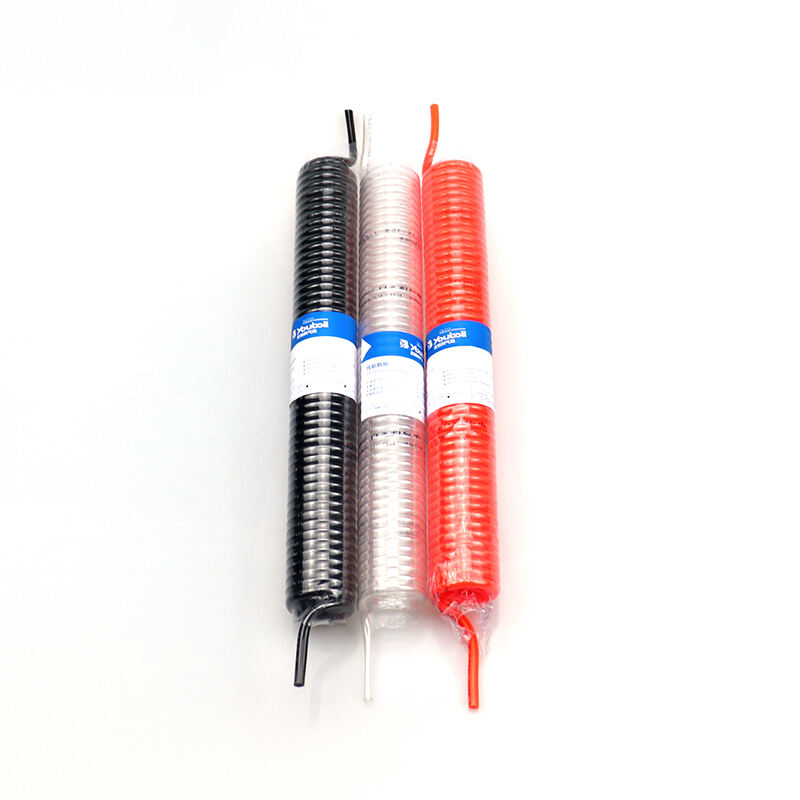
Pneumatic systems, which use compressed air to transmit and control energy, are integral to many industries, from manufacturing and automotive to food processing and robotics. The effectiveness of these systems relies heavily on selecting the right pneumatic components. With so many types of components available—each designed for specific functions—choosing the appropriate ones for your application can be daunting. This guide will walk you through the key factors to consider when selecting Fittings & Accessories , ensuring you build efficient, reliable systems that meet your operational needs.
1. Understand Your Application Requirements
Before you begin selecting pneumatic components, it's crucial to have a clear understanding of your application’s specific requirements. Ask yourself several key questions:
-
What is the purpose of the system? Whether it’s moving a load, controlling a valve, or creating pressure, understanding the primary function will determine the type of components you need.
-
What are the pressure and flow requirements? Different applications may require specific pressure ranges and airflow rates. For instance, industrial machinery may need higher pressure than a light-duty assembly process.
-
Are there space limitations? If the system must fit into tight spaces, compact components may be necessary.
-
What environment will the system operate in? Consider factors like temperature, humidity, and the presence of corrosive materials. Harsh conditions may require components with specialized coatings or materials.
Having a clear picture of your application will guide your component selection and help you avoid unnecessary costs.
2. Selecting Pneumatic Actuators
Pneumatic actuators convert compressed air into mechanical motion, making them one of the most important components in pneumatic systems. The two most common types of actuators are cylinders and rotary actuators.
-
Cylinders: These actuators provide linear motion and are ideal for applications like lifting, pressing, or clamping. When selecting a cylinder, consider factors like stroke length, bore size (diameter), and the type of mounting required. Additionally, check the operating pressure and ensure that the cylinder can handle the load and duty cycle of your application.
-
Rotary Actuators: If your system requires rotational movement, rotary actuators are the best choice. These actuators are designed for applications like valve control or rotary assembly tasks. When selecting a rotary actuator, focus on the required torque and rotation angle.
3. Choosing Valves
Valves control the flow of air within the pneumatic system, dictating the direction, pressure, and speed of operation. The most common types of valves include:
-
Directional Control Valves (DCVs): These valves control the flow path of air, determining the direction of movement for actuators. The most important factors to consider when choosing a DCV are the number of ports (connections), the number of positions, and the actuation method (manual, pneumatic, electric, or solenoid).
-
Flow Control Valves: These valves regulate the speed of the actuator’s movement by controlling the flow rate of the air. For accurate control, you need to match the flow rate with the actuator’s requirements.
-
Pressure Relief and Pressure Regulating Valves: These valves maintain safe and consistent air pressure in the system. When choosing pressure regulators, ensure they are sized appropriately for the desired pressure range.
4. Air Preparation Components
Air preparation components, including filters, regulators, and lubricators (FRLs), are essential for maintaining clean, dry, and regulated air supply in the system.
-
Filters: Filters remove dirt, moisture, and other contaminants from the compressed air to prevent damage to the components. Depending on the level of cleanliness required, filters come in different grades.
-
Regulators: These ensure that the pressure delivered to the system remains stable, regardless of fluctuations in the air supply pressure.
-
Lubricators: Lubricators introduce a fine mist of oil into the air supply, ensuring that moving parts in the pneumatic system are properly lubricated and reducing wear and tear.
Selecting the right size and type of FRL components ensures optimal performance and prolongs the lifespan of your pneumatic system.
5. Consider Material and Durability
When selecting pneumatic components, material choice is important, especially in environments subject to wear, corrosion, or extreme temperatures. Components made from stainless steel, brass, or corrosion-resistant coatings are ideal for harsh environments. Additionally, components like seals, gaskets, and O-rings should be selected based on compatibility with the operating medium and conditions.
6. Energy Efficiency and Cost-Effectiveness
In today’s industrial landscape, energy efficiency is a priority. Pneumatic systems can consume a significant amount of energy, so choosing energy-efficient components can reduce operating costs. Look for components with features like low leakage rates, optimized flow paths, and variable speed control to minimize energy consumption.
While it’s important to consider initial costs, investing in high-quality, energy-efficient components may lead to long-term savings through reduced maintenance and operating costs.
Conclusion
Choosing the right pneumatic components is critical for optimizing performance, ensuring reliability, and maximizing the lifespan of your system. By carefully evaluating your application’s requirements, selecting the appropriate actuators, valves, air preparation components, and considering factors like durability and energy efficiency, you can build an efficient and cost-effective pneumatic system. Always consult with experts or manufacturers to ensure compatibility between components and achieve the best results for your application.