
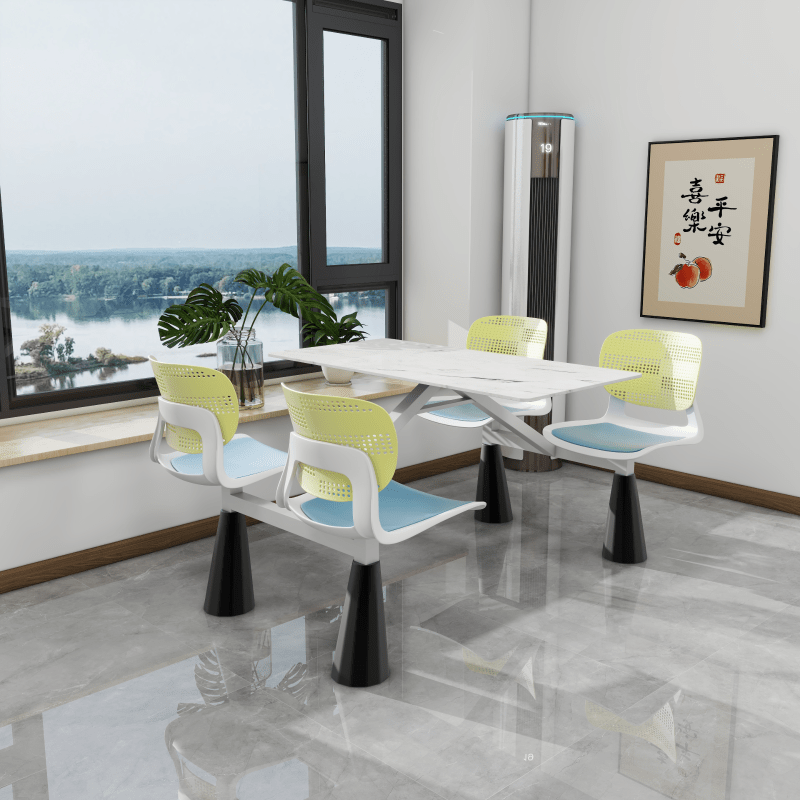
Creating a well-designed office that is both functional and aesthetically pleasing is essential for enhancing productivity, fostering a positive work environment, and promoting employee well-being. The design of an office space should not only reflect the brand’s identity but also cater to the needs of its users. Professional furniture plays a crucial role in achieving this balance, combining comfort, style, and practicality. In this article, we explore how to design a functional and aesthetic office using professional furniture.
1. Define the Office Layout
The first step in designing any office is to determine the layout. A well-thought-out layout ensures that the office space is used efficiently and promotes easy movement while minimizing distractions. Begin by considering the type of work your employees do, the amount of space available, and the number of employees.
For collaborative environments, an open-plan layout works well, with modular workstations and meeting areas that encourage interaction. Alternatively, for more focused work, private offices or cubicles can be designed to minimize noise and distractions. Regardless of the layout, the choice of professional furniture should support both the practical needs of work and the aesthetic goals of the office.
2. Choose Ergonomic Furniture for Comfort and Health
Ergonomics is critical in designing a functional office, as employees spend long hours at their desks. Student Apartment Bed should prioritize comfort, with chairs and desks designed to promote good posture and reduce strain on the body. Ergonomic chairs with adjustable backrests, armrests, and lumbar support are key to ensuring employees’ comfort. A comfortable chair can significantly impact productivity and overall employee satisfaction.
Similarly, height-adjustable desks are becoming increasingly popular, allowing employees to switch between sitting and standing positions throughout the day. This flexibility can help reduce physical discomfort and improve energy levels. When selecting professional furniture, prioritize ergonomics to promote the health and well-being of those using the space.
3. Incorporate Functional Storage Solutions
A clutter-free office promotes a calm and organized environment. To maintain this, it’s essential to invest in functional storage solutions. Filing cabinets, shelving units, and storage lockers can help employees keep their workspaces tidy and their materials easily accessible. Choose furniture pieces with built-in storage to maximize space and keep the office looking neat and professional.
Modular furniture systems also offer flexibility, allowing you to configure storage areas to suit the evolving needs of the office. It’s essential to consider both visible and hidden storage options, as both contribute to the overall function and appearance of the space.
4. Focus on Design and Aesthetic Appeal
While functionality is critical, the visual appeal of an office is just as important. The aesthetic of the office space can influence the mood, creativity, and overall experience of employees and clients. When designing an office with professional furniture, consider your brand’s identity, the color scheme, and the overall design theme.
Opt for professional furniture that complements the office’s style—whether it’s modern, minimalist, industrial, or traditional. High-quality wooden desks, sleek metal chairs, and elegant conference tables can give the office a polished and sophisticated look. Additionally, incorporating elements like artwork, plants, and lighting can enhance the space and create a welcoming atmosphere.
5. Invest in Versatile and Modular Furniture
Versatility is a key aspect of modern office design. Investing in modular furniture that can be easily rearranged or reconfigured for different purposes provides flexibility as the office environment evolves. For instance, movable desks, collaborative workstations, or stackable chairs allow the space to be adapted for meetings, team projects, or individual work.
Modular furniture also helps make the most of available space, especially in smaller offices. By having adaptable furniture that can be rearranged according to specific needs, you create a dynamic and versatile environment that meets the diverse demands of employees.
6. Prioritize Natural Light and Acoustics
When designing an office, the atmosphere should be conducive to productivity, which includes paying attention to lighting and acoustics. Natural light is known to improve mood, energy levels, and overall productivity. Arrange desks and workstations to take advantage of windows and natural light sources. If natural light is limited, choose office furniture with light-colored finishes to help reflect light and brighten up the space.
Additionally, acoustic considerations are important in ensuring that the office environment remains quiet and focused. Professional office furniture such as acoustic panels, soundproof dividers, and padded chairs can help minimize noise and create a more peaceful working environment.
7. Flexibility for the Future
As office needs change over time, flexibility becomes an essential element in design. Professional furniture that can grow and adapt with the business is crucial for long-term functionality. Look for furniture that can be easily reconfigured or added to as your office space expands or shifts in purpose. This investment will pay off in the long term by reducing the need for constant replacements.
Conclusion
Designing a functional and aesthetic office with professional furniture requires a balance of practical needs and visual appeal. By focusing on ergonomics, functional storage, and the overall aesthetic of the space, you can create an environment that enhances productivity and fosters a positive work atmosphere. Additionally, investing in versatile, modular furniture ensures that the office remains adaptable to changing needs and provides long-term value. Ultimately, well-designed office spaces with the right professional furniture contribute significantly to both employee satisfaction and business success.