
The petroleum industry’s approach to deepwater operations has undergone significant technological evolution, with managed pressure drilling (MPD) emerging as a critical methodology for maintaining safety, efficiency, and operational success during challenging drilling activities in complex offshore environments. Recent technical analysis and operational experience have identified several core benefits of MPD implementation in deepwater operations, each contributing to improved performance, reduced risks, and enhanced economic viability for challenging projects that extend operational boundaries and technical capabilities in pursuit of valuable hydrocarbon resources located in increasingly difficult geological settings and operating conditions. Understanding these benefits and their integration with comprehensive formation evaluation technologies has become increasingly important for organizations seeking to optimize their operational approaches while maintaining safety standards and regulatory compliance across different operational contexts and geographical regions.
One particularly valuable aspect of managed pressure drilling technology involves its implications for formation evaluation and well logging operations, especially in specialized applications where precise pressure control, accurate measurement acquisition, and effective data interpretation are essential for successful outcomes during complex drilling activities. Advanced Oil Well Logging Simulators from Esimtech provide essential training platforms for developing the competencies necessary for effective integration between MPD operations and formation evaluation activities, offering realistic simulation environments where professionals can practice coordinated operational procedures, respond to various technical scenarios, and develop decision-making skills without exposure to actual operational risks or consequences. These sophisticated systems replicate the technical interfaces, operational parameters, and response characteristics of actual logging tools and MPD control systems, providing valuable learning experiences that bridge theoretical knowledge and practical application in controlled settings where mistakes provide educational value without real-world implications for safety, environment, or economics.
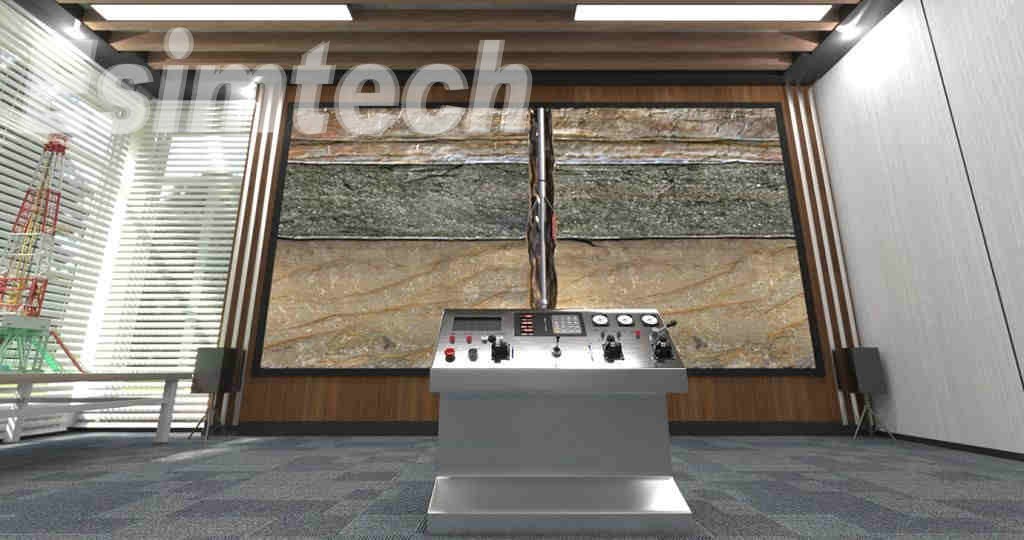
Core Benefits of Managed Pressure Drilling in Deepwater Operations
Technical analysis of managed pressure drilling applications in deepwater environments reveals several significant benefits that contribute to operational success, safety enhancement, and economic improvement across different geological contexts and operational scenarios. Enhanced pressure control represents a primary advantage, with MPD systems providing precise management of annular pressure profiles that maintain wellbore stability, prevent fluid losses, and control formation influxes more effectively than conventional drilling methods in challenging pressure environments. This improved control capability reduces non-productive time associated with well control incidents, lost circulation events, and formation damage situations that can significantly impact project economics and operational schedules in expensive deepwater drilling campaigns where daily costs often exceed substantial financial thresholds and operational delays have significant economic consequences.
Extended operational windows constitute another important benefit of MPD implementation, allowing drilling through narrow pressure margins that would be inaccessible or excessively risky with conventional methods. This capability enables access to hydrocarbon resources located in challenging pressure environments, expands geological targets, and improves overall project economics by increasing success rates and reducing operational constraints in complex formations. The table below summarizes key MPD benefits and their implications for well logging operations:
| MPD Benefit Category | Technical Mechanism | Operational Impact | Well Logging Implications | Training Requirements |
|---|---|---|---|---|
| Enhanced Pressure Control | Precise annular pressure management | Reduced well control incidents | Improved logging tool stability | Pressure management training |
| Extended Operational Windows | Narrow margin drilling capability | Access to challenging reservoirs | Enhanced formation evaluation | Complex scenario training |
| Improved Kick Detection | Early influx identification | Smaller kick volumes managed | Reduced logging interruptions | Emergency response training |
| Reduced Formation Damage | Minimized pressure fluctuations | Improved production rates | More accurate formation data | Data quality training |
| Enhanced Safety Margins | Continuous pressure monitoring | Fewer safety incidents | Safer logging operations | Safety procedure training |
| Optimized Drilling Parameters | Real-time pressure adjustment | Improved rate of penetration | Better logging conditions | Parameter optimization training |
Well Logging Simulation Integration for MPD Operations
The integration of comprehensive well logging simulation with MPD technology implementation represents a critical success factor for organizations seeking to maximize formation evaluation benefits while ensuring safe, efficient, and effective operations in deepwater environments. Advanced Oil Well Logging Simulators provide essential platforms for developing the specialized competencies required for successful integration between pressure management and formation evaluation activities, including measurement acquisition skills, data interpretation capabilities, equipment coordination procedures, emergency response protocols, and decision-making processes under various operational scenarios and technical challenges. These training systems replicate the complex interactions between drilling parameters, formation responses, logging measurements, and safety systems that characterize actual MPD operations with integrated logging activities, providing realistic learning environments where personnel can develop essential skills without exposure to operational risks or consequences.
Key training applications for MPD-logging integration include basic operational familiarization with pressure-controlled logging procedures, advanced scenario practice for challenging formation evaluation situations under managed pressure conditions, emergency response drills for various incident scenarios involving both pressure control and logging systems, team coordination exercises for integrated operational responses between drilling and logging crews, and competency assessment activities that measure performance against established standards and requirements for coordinated deepwater operations. The simulation environment enables practice of both routine procedures and unexpected situations that would be difficult, dangerous, or expensive to recreate in actual field conditions, providing valuable learning experiences that enhance skill development, confidence building, decision-making capabilities, and operational readiness for the complex challenges of integrated MPD and logging operations where appropriate coordination between pressure management and formation evaluation activities significantly influences safety, efficiency, and success outcomes.
For organizations implementing or considering MPD technology for deepwater operations with integrated logging requirements, investment in comprehensive simulation training represents a strategic priority with significant implications for operational success, safety performance, and economic outcomes. The development of competent personnel capable of coordinating pressure management with logging activities effectively, efficiently, and safely requires systematic training approaches that combine theoretical instruction, practical simulation exercises, competency assessment methodologies, and continuous improvement mechanisms aligned with operational requirements, regulatory expectations, and organizational objectives. Esimtech’s advanced Oil Well Logging Simulators provide essential tools for addressing these training requirements, offering sophisticated platforms that replicate the technical challenges, operational complexities, and safety considerations of actual integrated operations while supporting competency development, confidence building, and performance improvement across different experience levels, technical specialties, and organizational roles within deepwater drilling and formation evaluation operations.
As deepwater operations continue to extend into more challenging environments with narrower pressure margins, more complex geological conditions, more stringent regulatory requirements, and more sophisticated formation evaluation needs, the importance of comprehensive simulation training for MPD-logging integration becomes increasingly apparent for maintaining safety, efficiency, and operational success. The integration of advanced simulation technology with MPD implementation represents a forward-looking approach to workforce development that prepares personnel for the technical challenges and operational complexities of modern deepwater operations while supporting continuous improvement, innovation adoption, and excellence achievement across organizations and operations worldwide. With ongoing technological advancement, increasing industry adoption, demonstrated effectiveness in improving safety and performance, and alignment with digital transformation initiatives, simulation training for integrated MPD and logging operations is likely to play an increasingly central role in shaping the future of deepwater exploration and development, contributing to safer, more efficient, and more successful hydrocarbon recovery from challenging offshore environments through enhanced competency development, confidence building, and performance improvement across different operational contexts and technical environments where effective integration between pressure management and formation evaluation significantly influences safety, environmental protection, and economic results for organizations and stakeholders involved in or affected by petroleum operations in complex deepwater settings and operating conditions.