
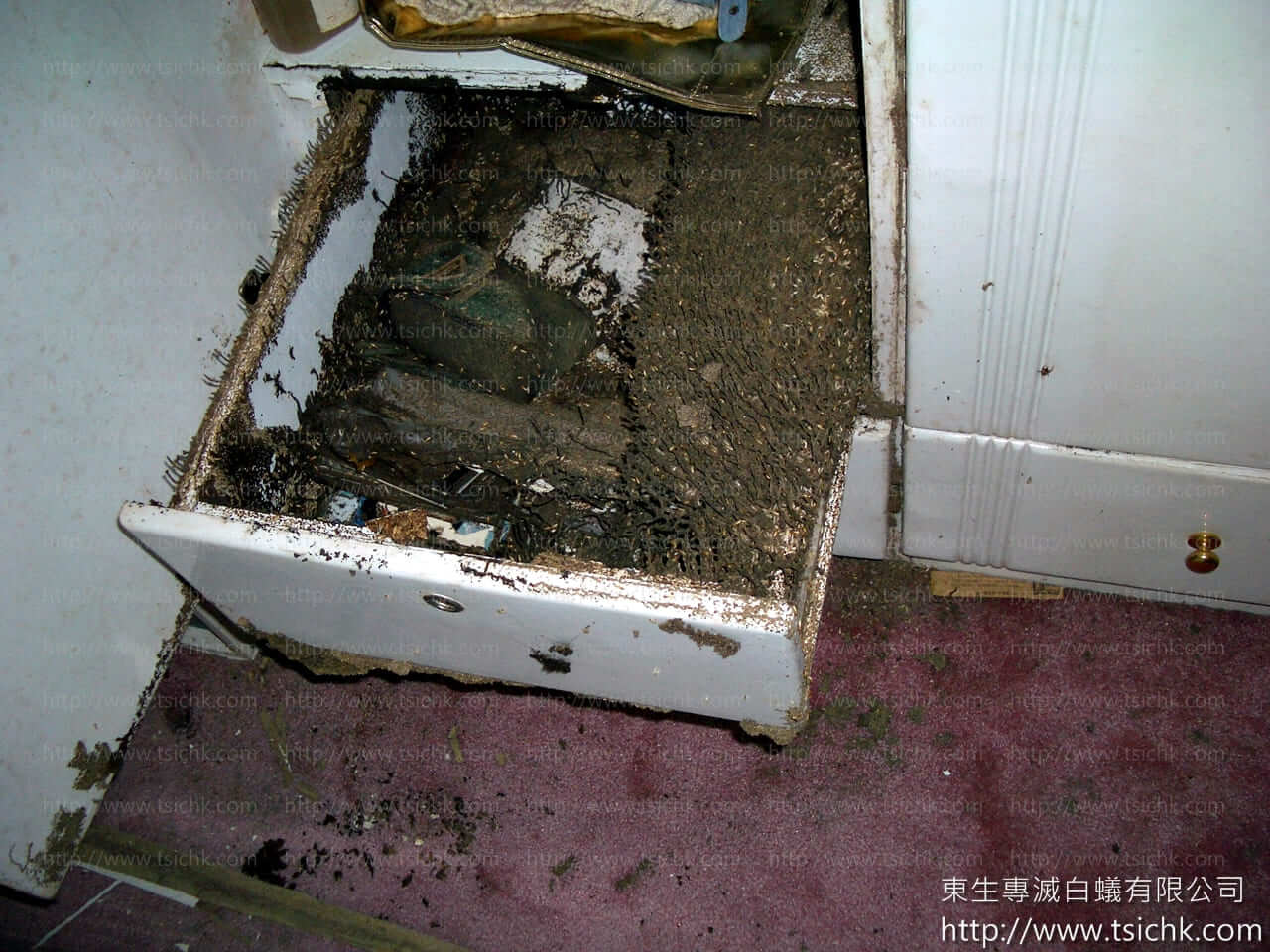
Termites are among the most destructive pests, capable of causing severe structural damage to homes and buildings. They silently consume wood and other cellulose-based materials, often going undetected until substantial harm has already occurred. Understanding how to identify, control, and eliminate termites is crucial for protecting your property.
Common Types of Termites
There are three primary types of termites that can infest a home or business:
1. Subterranean Termites
-
The most destructive and widespread species
-
Live underground and build mud tunnels for movement
-
Require moisture to survive, making them common in humid climates
2. Drywood Termites
-
Do not require soil contact
-
Infest dry wood such as furniture, floors, and walls
-
Can be harder to detect as they live deep within wood structures
3. Dampwood Termites
-
Thrive in moist and decayed wood
-
Found in areas with high humidity or water damage
-
Less common but still a potential threat
Signs of a Termite Infestation
Detecting termites early can help prevent costly damage. Look for these key warning signs:
-
Hollow-sounding wood when tapped
-
Mud tubes along walls and foundations
-
Swarming termites near light sources
-
Discarded wings from termite swarmers
-
Frass (termite droppings) near wooden structures
-
Peeling or bubbling paint that resembles water damage
Best Methods for Termite Extermination
1. Soil Treatments with Termiticides
Applying liquid termiticides around the perimeter of your home creates a chemical barrier that prevents termites from entering and kills existing colonies.
2. Termite Baiting Systems
Bait stations strategically placed around your home attract 滅白蟻 s, which then transport the slow-acting poison back to their colony, ensuring complete extermination over time.
3. Fumigation for Drywood Termites
If drywood termites have infested your home, a full fumigation treatment may be necessary. This involves sealing the structure and releasing a gas treatment to eliminate termites in all areas.
4. Wood Treatments
Applying borate-based wood preservatives can help protect wooden structures from future termite infestations. This method is effective for both prevention and treatment.
5. Heat Treatment
Using controlled heat to raise the temperature in an infested area to lethal levels for termites can be an effective, chemical-free alternative to fumigation.
Proven Termite Prevention Strategies
1. Eliminate Moisture Sources
Since termites thrive in damp environments, reducing excess moisture is critical.
-
Repair leaks in plumbing and roofing
-
Ensure proper drainage around the home
-
Use dehumidifiers in humid areas
2. Reduce Wood-to-Soil Contact
Keep wooden structures elevated and ensure there is at least an 18-inch gap between soil and wood to prevent termites from accessing your home.
3. Seal Cracks and Entry Points
Prevent termites from entering by sealing gaps around:
-
Doors and windows
-
Pipes and utility lines
-
Foundation cracks
4. Regular Inspections
Annual pest inspections by professionals can detect early signs of termite activity and prevent major damage.
5. Use Termite-Resistant Materials
When building or renovating, opt for pressure-treated wood, concrete, or metal to reduce termite risks.
Choosing a Professional Termite Control Service
Hiring an experienced pest control company is the most effective way to handle severe termite infestations. When selecting a provider, consider:
-
Certification and Licensing: Ensure the company is licensed and follows pest control regulations.
-
Treatment Options: Ask about chemical, baiting, and eco-friendly solutions.
-
Warranty and Guarantees: A reputable service should offer treatment warranties.
-
Customer Reviews: Research testimonials and ratings to assess the company’s reliability.
Conclusion
Termites are a major threat to homes and businesses, but with early detection, effective extermination methods, and preventive strategies, you can protect your property from costly damage. Whether using DIY methods or hiring a professional, consistent vigilance is key to keeping termites at bay.